

Continuing on our off the beaten path tour of Amsterdam, we read that a Brazilian Artist had an exhibition at Oude Kerk, the “Old Church”.
We headed there, as there was also a tour to the top of one of the towers, and while we made our way from the McDonalds, we did end up on the wrong entrance side. So we traveled along the side of the church, and with that sight, we saw numerous brothels with women in the windows trying to get the attention of passersby of the male persuasion. I mean, what would be the Red Light District without a Church nearby? It’s only fitting.
I’m all for this line of work being legal.
I digress…
When we entered the church, the Alabaster white walls and tall ceilings were already such a dream. Like I mentioned in the previous post, I’m not particularly religious, but the architecture and images are intriguing to me.
Oude Kerk was founded in 1213 as a Catholic Church, however in 1578 after the Protestant Reformation of the Netherlands, it became a Calvinist Church which it remains today. Before the reformation, it served as a community space for locals to gather, gossip, sell goods, and for shelter for those in need. However after the take over, those uses were no longer allowed. It became city archives, and is the only building in Amsterdam that remains in its original state since Rembrandt walked its halls. It also houses some of the most magnificent organs in Europe that remain today, and also serves sometimes as a concert venue, all while still being available for church service.


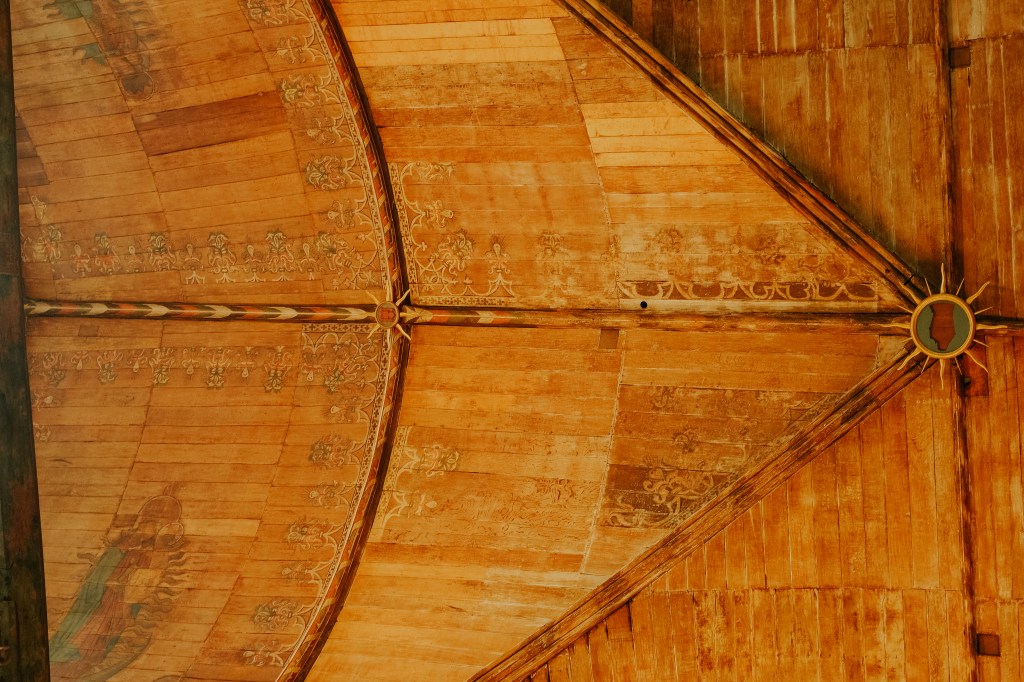
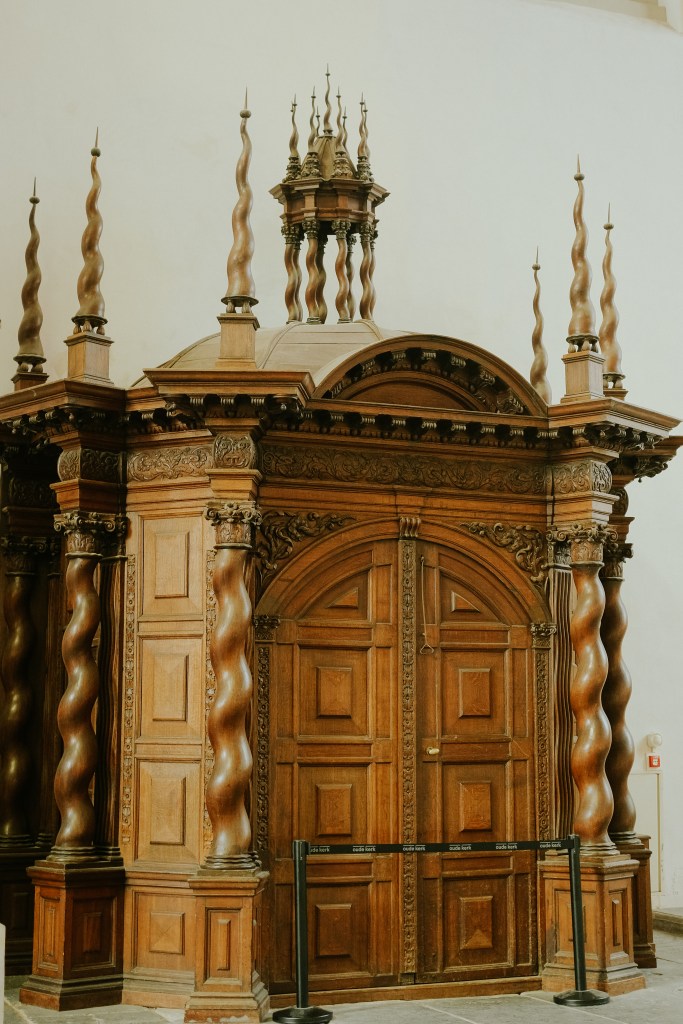


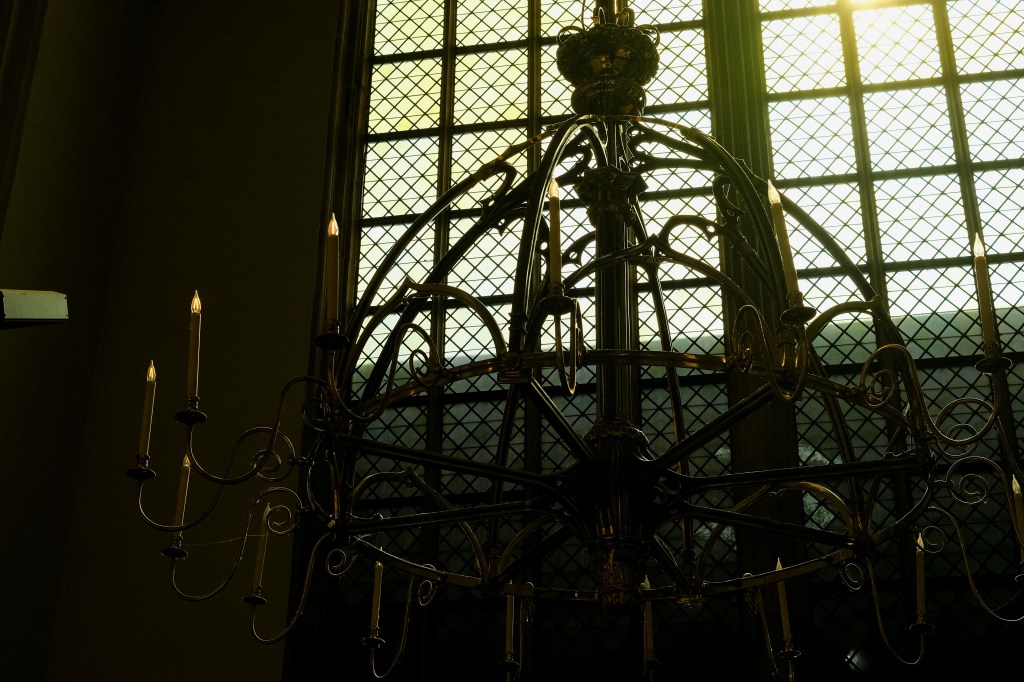
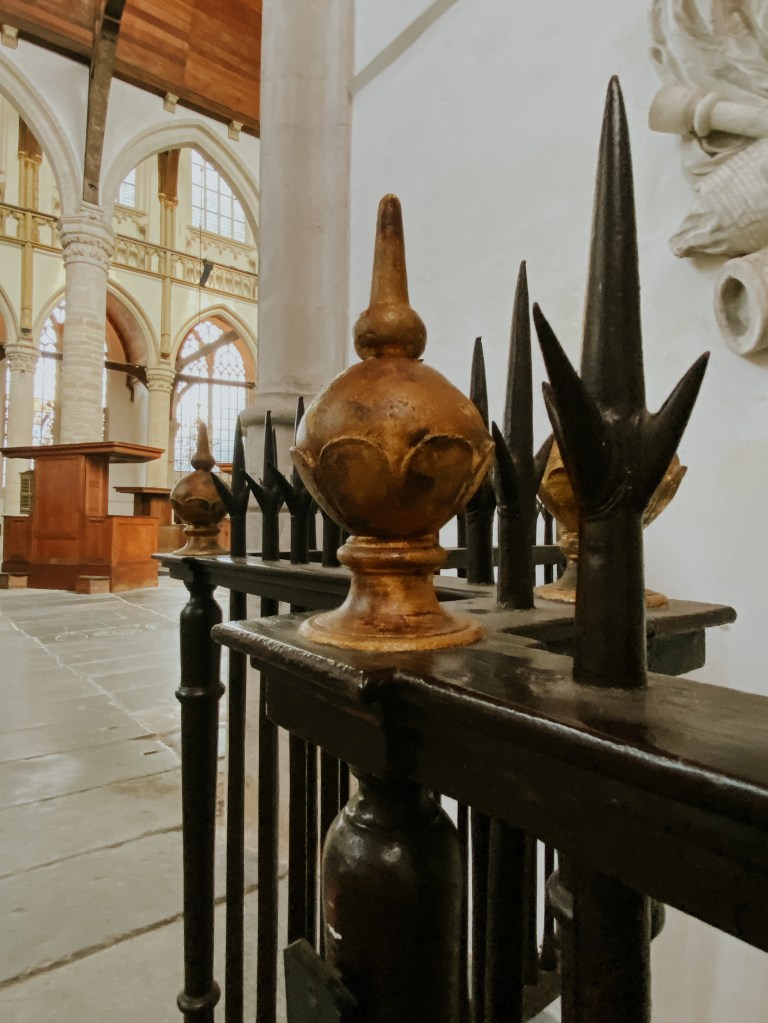
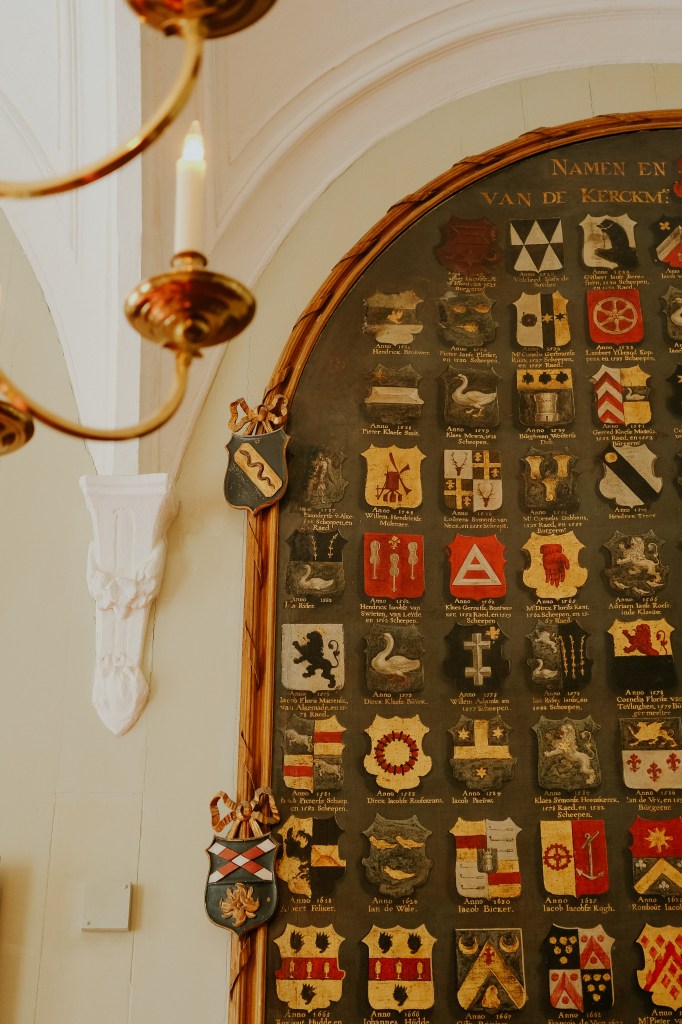
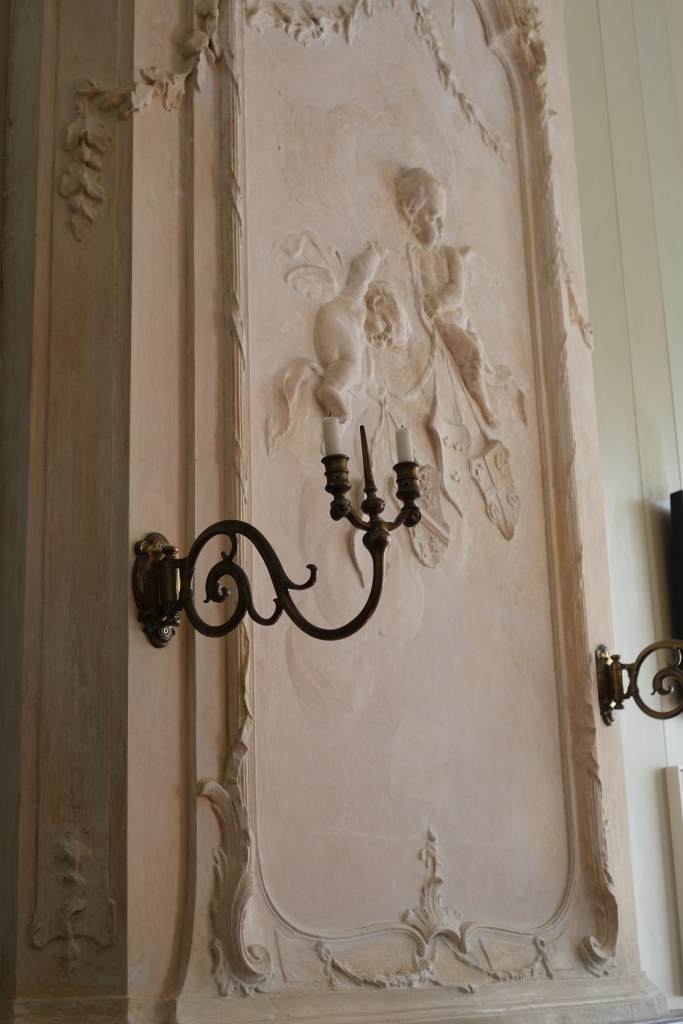
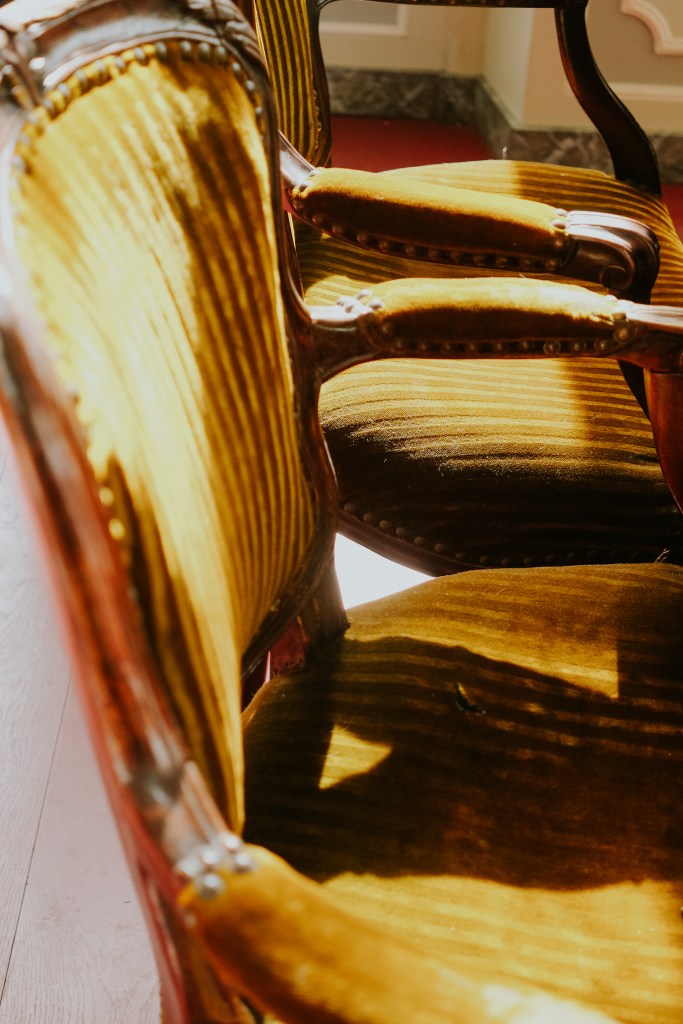
Through one of the side doors, it takes you into a meeting room in which Church Elders used to meet.


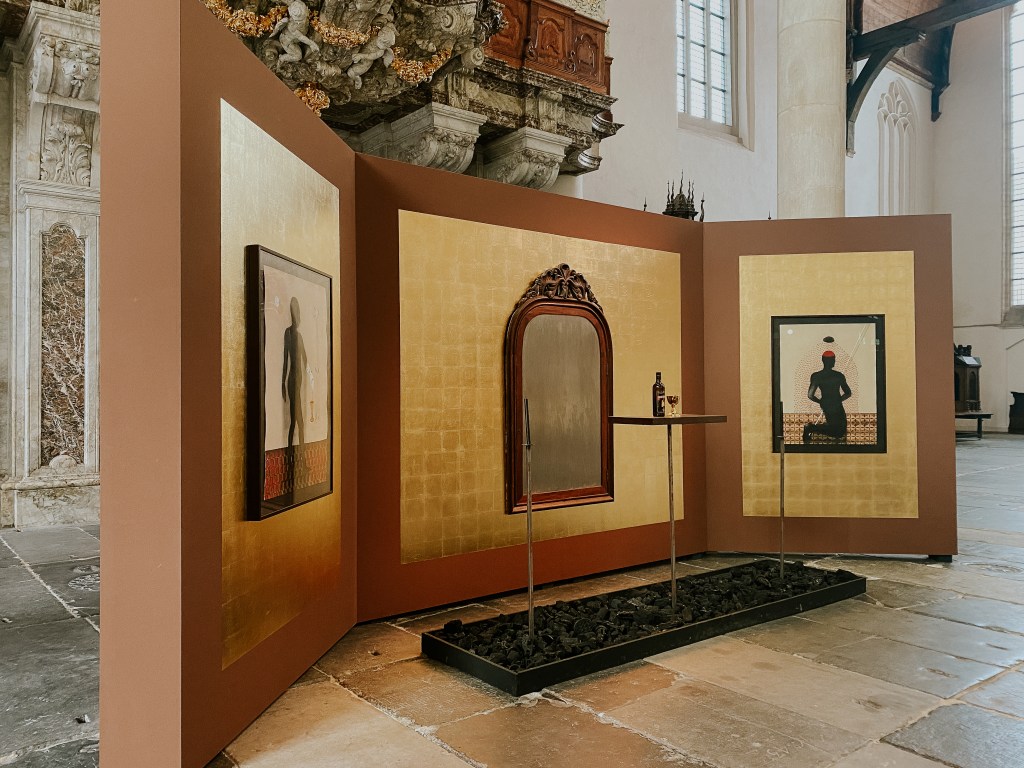
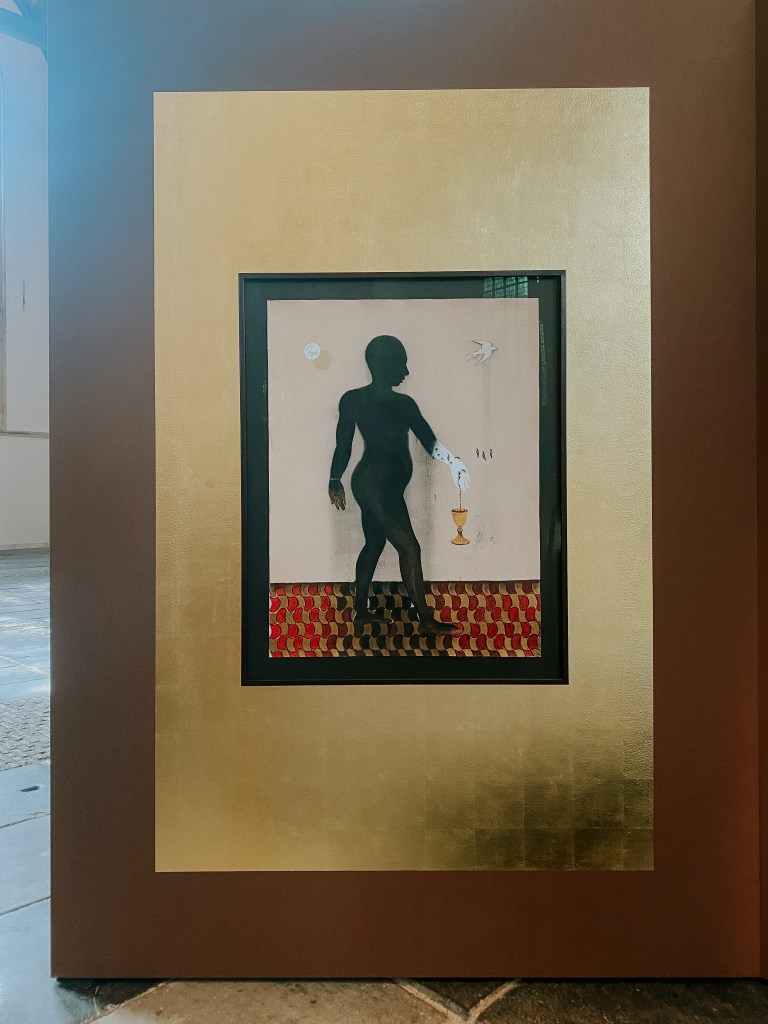
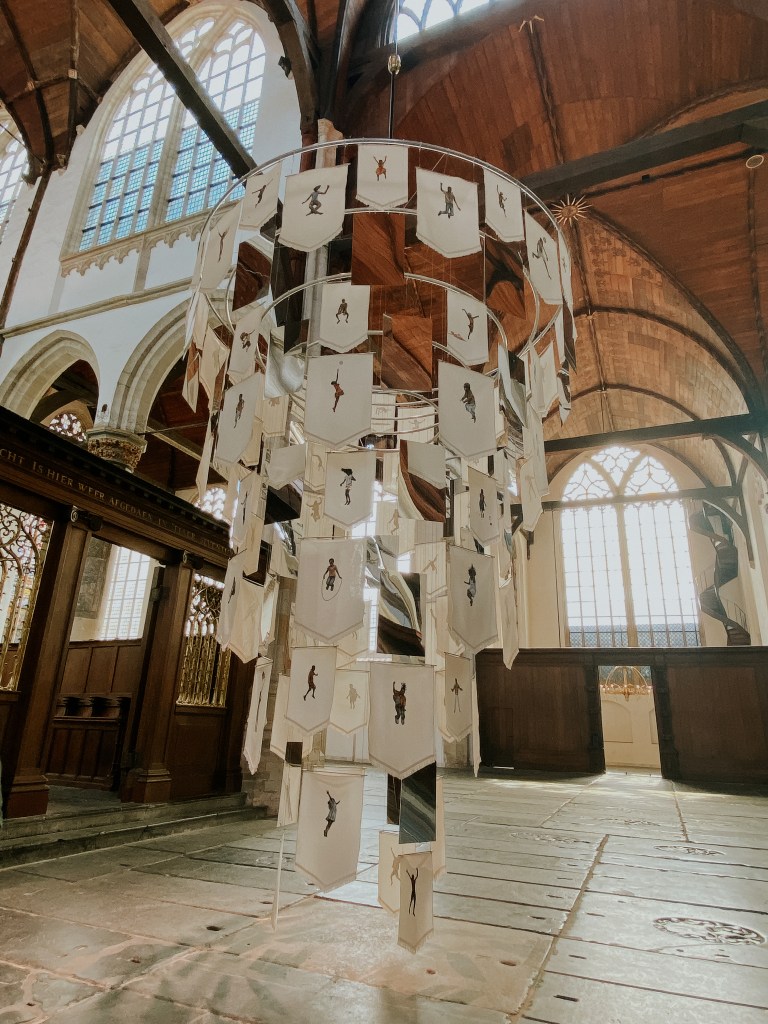
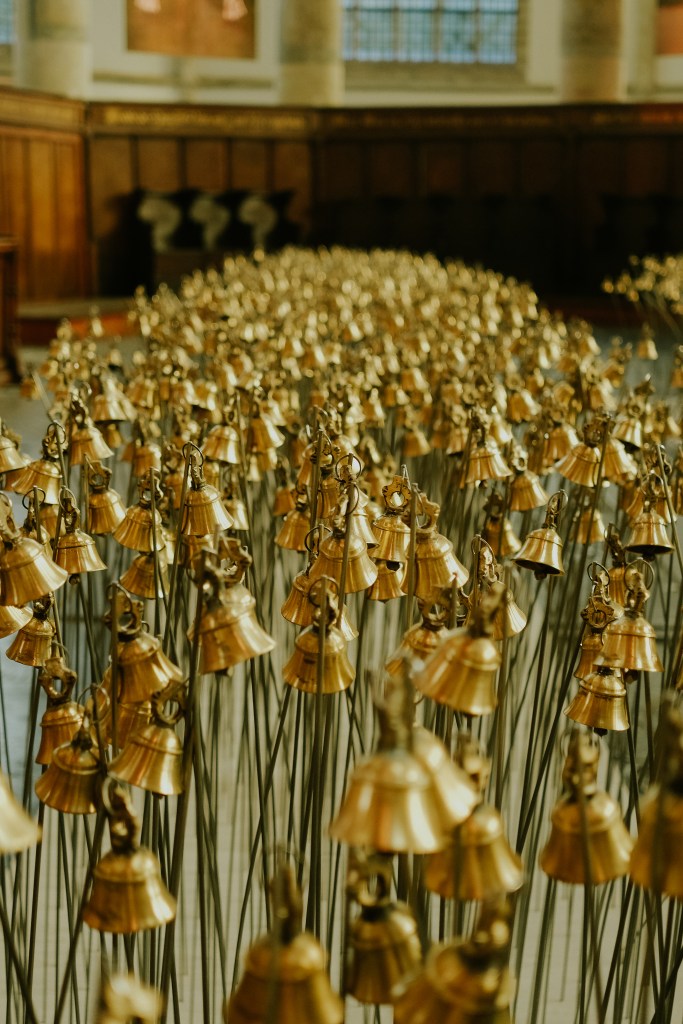
In regards to the Art Installation by Antonio Obá, from Amsterdamart.com:
“Path is about the different paths that run between present, past and future, different identities and population groups, the individual and society. Obá’s approach to identity, religion and the history of Brazilian-Dutch slavery offers a new perspective on the history of the Oude Kerk.
Central to Obá’s work is the questioning of religion and national identity. He uses the imagery of Afro-Brazilian traditions and religious icons to reflect on identity and create awareness. Literal routes also play a role in his work. These include the forced journey of enslaved people from Africa to South America and Obá’s own flight to Europe because of continuing threats in Brazil. All these roads come together in the installation Path in the Oude Kerk.”


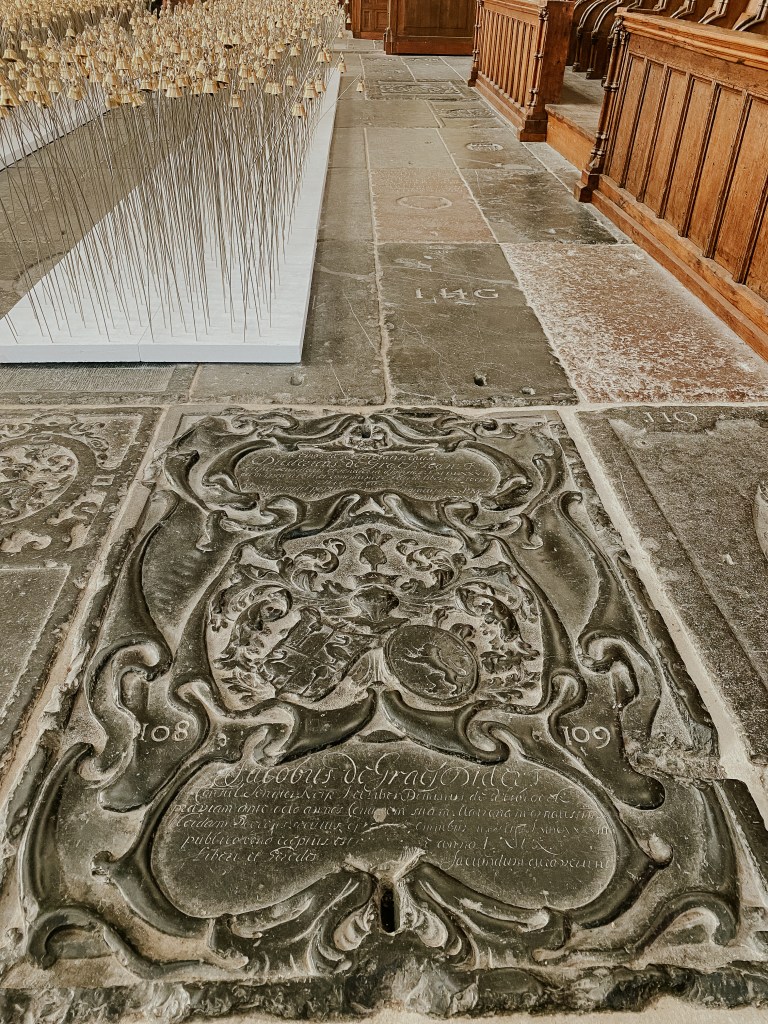
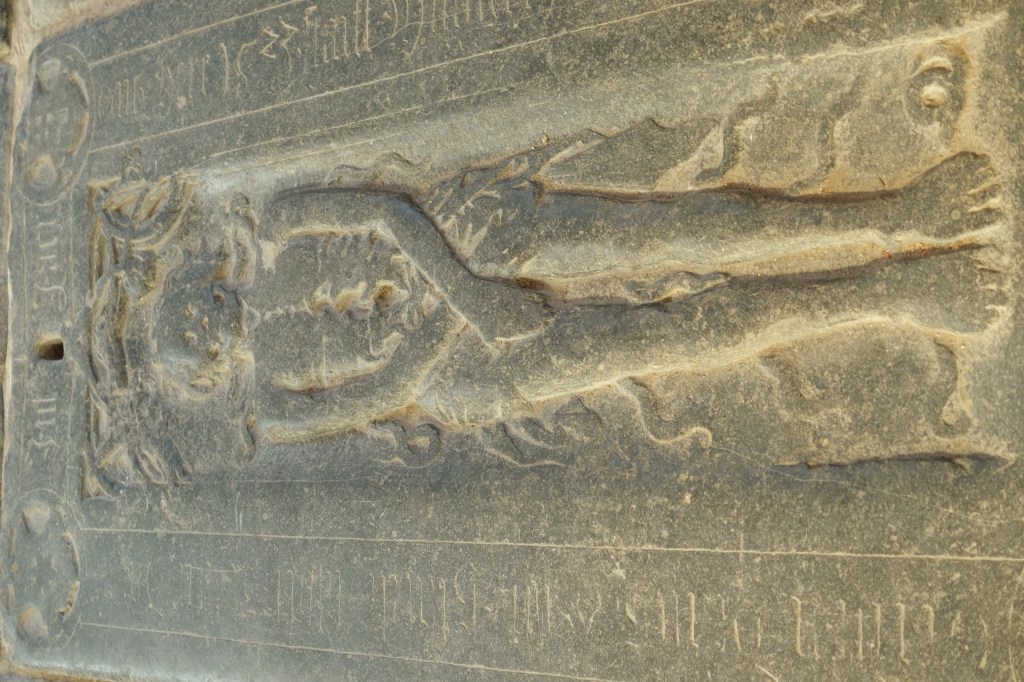
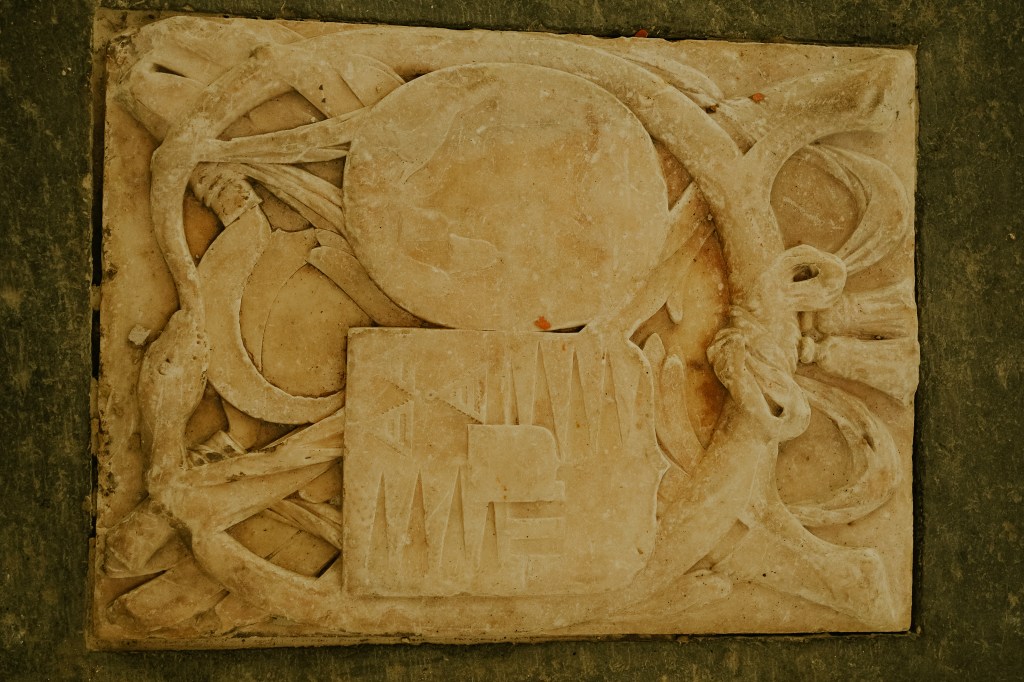
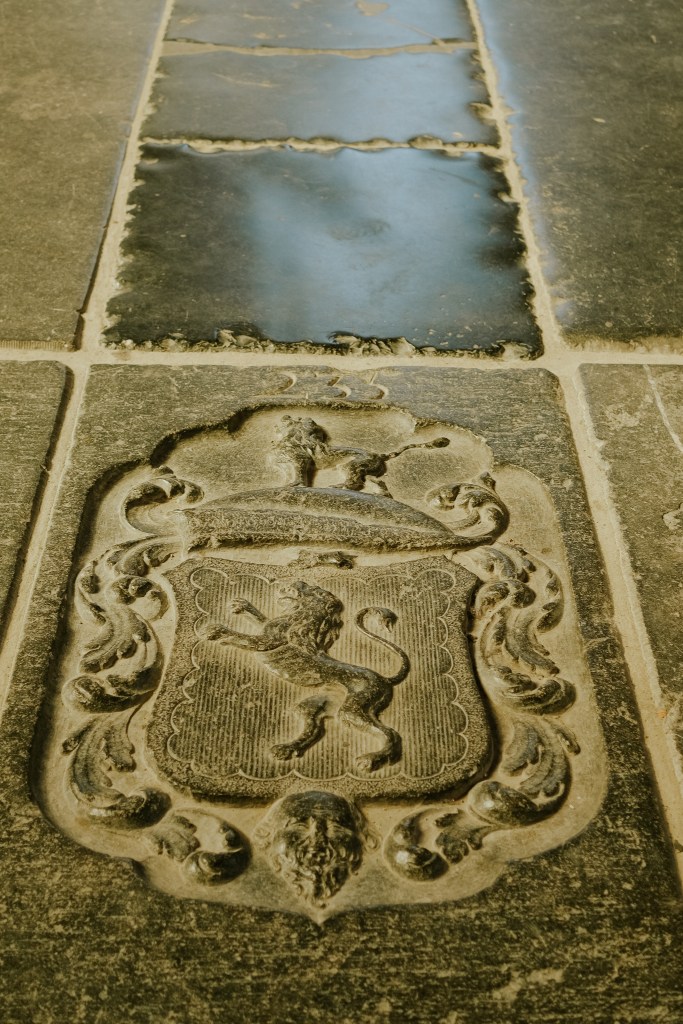
The church also serves as a place of internment for numerous individuals. They are interred in the floor, with their markers at times protruding from floor, so luckily I was in sneakers and didn’t trip as often as I thought!


All in all a beautiful space with history and art all rolled into one. Sometimes the simplistic nature of a tour is all you need in your travels.
Until next time,
Carrie


 My Wandering Nest
Leave a reply to Sally Iacomini Cancel reply